
Understanding Texas Poker Hand Rankings
Texas Poker uses a standard 52-card deck, and hand strength is determined by card combinations. The highest-ranking hand is a Royal Flush — five cards in sequence, all the same suit, with an Ace as the top card. Below that sits a Straight Flush, which is any five cards in sequence of the same suit. Four of a Kind ranks next, followed by a Full House (three cards of one rank plus two cards of another rank).
A Flush is five cards of the same suit in any order. A Straight is five cards in sequence regardless of suit. Three of a Kind is three cards of the same rank. Two Pair consists of two separate pairs. One Pair is two cards of the same rank. High Card is when no combination forms, and the highest single card determines the hand's value.
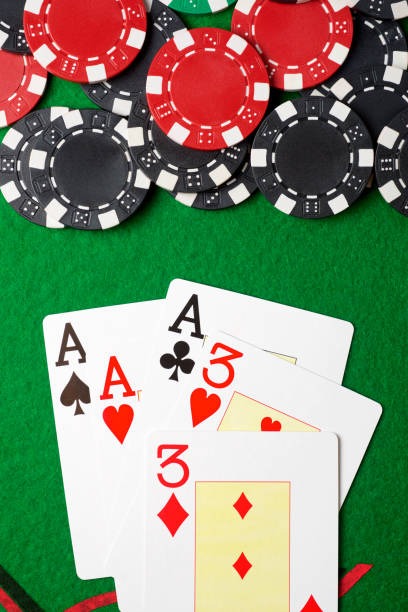
On our ledak388 tables, players compare their five-card hands at the end of each betting round. The hand ranking system is identical across all our Texas Poker sessions, whether you're playing during Liga 1 match days or on quiet weekday afternoons. Learning these rankings is the foundation of Texas Poker strategy.
Many new players on ledak388 find it helpful to keep a hand-ranking chart nearby during their first few sessions. Over time, recognizing hand strength becomes automatic, and you'll make faster decisions at our tables.
The Flow of a Texas Poker Hand
A typical Texas Poker hand on ledak388 begins with two players posting blind bets — the small blind and the big blind. These forced bets ensure there's money in the pot before cards are dealt. Each player then receives two private cards, called hole cards, which only they can see.
The first betting round follows, starting with the player to the left of the big blind. Players can fold (exit the hand), call (match the current bet), or raise (increase the bet). Once all players have either folded or matched the highest bet, the dealer reveals three community cards face-up on the table — this is called the Flop.
A second betting round occurs. Players now use their two hole cards plus the three community cards to form their best five-card hand. The dealer then reveals a fourth community card, called the Turn. Another betting round follows. Finally, the dealer reveals the fifth and final community card, the River, and a final betting round takes place.
After the last betting round, remaining players reveal their hole cards in a showdown. The player with the strongest five-card hand wins the pot. On our ledak388 platform, this entire sequence is managed by our dealers and software, ensuring fair play and clear tracking of all bets.

Understanding when to fold, call, or raise is more important than memorizing odds. Patience and position are the cornerstones of Texas Poker strategy on ledak388.
Betting Strategy and Position
Position — your seat relative to the dealer button — significantly influences Texas Poker strategy. Players in early position (closest to the big blind) act first and have less information about other players' hands. Players in late position act last and can see how others bet before making their decision. Late position is generally more advantageous because you have more information.
On ledak388, many experienced players adopt a tighter strategy in early position, playing only strong starting hands. In late position, they play a wider range of hands because they can see how many opponents are still in the hand. This positional awareness helps players make more profitable decisions over time.
Betting strategy also depends on table dynamics. If your ledak388 table is aggressive, with frequent raises, you might play fewer hands and focus on strong holdings. If the table is passive, with mostly calls, you can play more hands and apply pressure with strategic bets. Observing your opponents' patterns is a key skill that develops with experience at our tables.
Common Mistakes and How to Avoid Them
New players on ledak388 often make predictable errors. Playing too many hands is the most frequent mistake — entering pots with weak cards simply because you want action. This drains your bankroll quickly. Instead, focus on playing strong starting hands and folding weak ones, especially in early position.
Chasing losses is another common trap. After a losing session, some players increase their bet sizes or play looser hands, hoping to recover quickly. This usually leads to larger losses. On ledak388, we recommend treating each session independently and sticking to your strategy regardless of recent results.
Ignoring your opponents' tendencies is a missed opportunity. If you notice a player at your ledak388 table always folds to aggression, you can apply pressure with strategic bets. If another player calls too often, you can value-bet your strong hands more frequently. Adapting to your table is a skill that separates consistent winners from casual players.
Overvaluing weak hands is also costly. A pair of low cards might seem playable, but it's vulnerable to higher pairs and straights. On our ledak388 tables, understanding hand strength relative to the board and your opponents' likely holdings helps you make better fold decisions.